It’s Fibbing Friday again! Click here to play along.
***
What is a poltergeist?
A poltergeist is a spirit who climbs telephone poles, waits for people to pass by below and then spits Faerie Dust on them.
2. What supposedly happens if you look in the mirror and say, “Bloody Mary” three times?
A bartender magically reaches through the mirror and hands you three Bloody Mary’s.
3. What’s so unlucky about the number 13?
What sucks is when you book a hotel room and it’s on the 13th floor. There’s no way to get to it becasue there’s no button for the 13th floor on the elevator. So yeah It’s an unlucky number.
4. Why do banshees scream?
They booked their hotel rooms on the 13th floor and they are pissed.
5. What happens to a vampire in daylight?
He has to crawl out of his coffin and go to work & try to act normal.
6. A Nightmare on Elm Street wasn’t about a monster who could kill people in their dreams. What was it about?
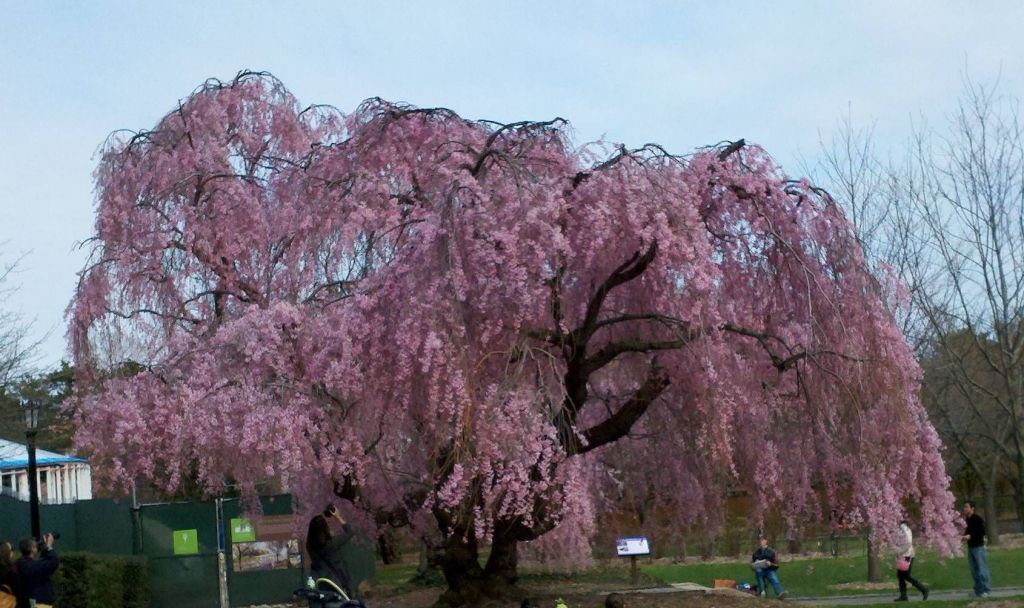
It’s about the time when a Weeping Willow tree planted himself right smack in the middle of the Elm-lined street. The Elms were most distraught, being the cliquish type of greenery that they were. The Willow tree sensed he wasn’t welcome and began weeping. Hence the flood…which was a total nightmare.
7. Who did Norman Bates dress up as in the movie, Psycho?
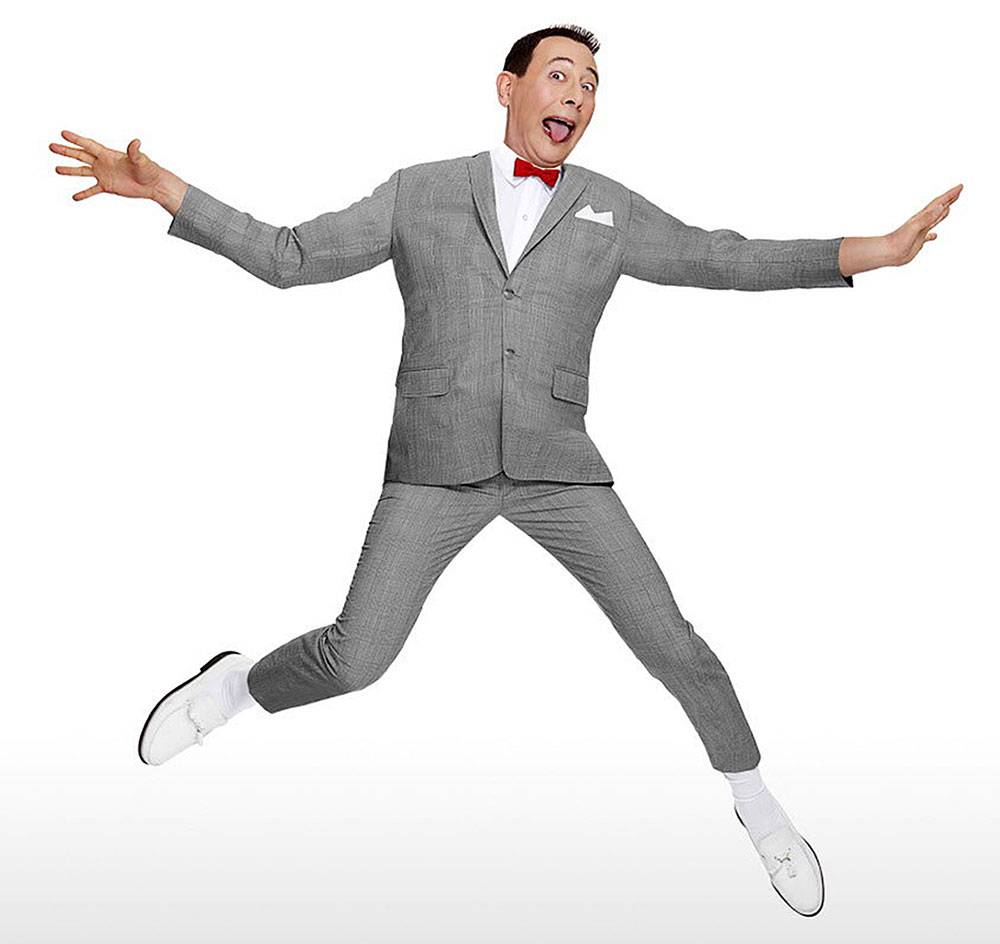
PeeWee Hermann.
8. The Amityville Horror wasn’t about a haunted house. What was it about?
It was about Pee-wee Hermann’s haunted bicycle that was in the basement of Amityville.
9. What are the three witches doing at the beginning of MacBeth?
Making soup for trick-or-treaters.
10. What classic monster lives under the Paris Opera House?
It’s Song Lyric Sunday again! This week Jim Adams has chosen the Halloween related prompts of Ghost/Pumpkin/Trick/Treat/Witch. So, I’ve chosen “I’m Gonna Make You Love Me” by Diana Ross & the Supremes and The Temptations.
Lyrics
Eddie: I’m gonna do all the things for you, a girl wants a man to do. Oh, baby (Oh, baby) I’ll sacrifice for you, I’ll even do wrong for you. Oh, baby (Oh, baby)
Every minute, every hour. I’m gonna shower you with love and affection. Look out it’s coming in your direction. And I’m… I’m gonna make you love me. Oh, yes I will. Yes I will. I’m gonna make you love me. Oh, yes I will. Yes I will.
Diana: Look it here. My love is strong, you see. I know you’ll never get tired of me. Oh, baby (Should won’t) (Oh baby) And I’m gonna use every trick in the book. I’ll try my best to get you hooked. Hey, baby (Take me I’m yours) (Hey, baby)
And every night, every day. I’m gonna say. I’m gonna get you, I’m gonna get you. Look out boy, ’cause I’m gonna get you.
I’m gonna make you love me. Ooo, yes I will. Yes I will. And I’m gonna make you love me. Ooo, yes I will You know I will.
Every breathe I take. And each and every step I make. Brings me closer, baby. Closer to you.
Otis: And with each beat of my heart. For every day we are apart. I’ll hunger for every wasted hour.
Eddie: And every night and every day. I’m gonna get you, I’m gonna get you. Look out ’cause I’m gonna get you.
And I’m gonna make… I’m gonna make you love me. Oh, oh. (Yes I will) I’m gonna make you love me. Ooo, yes I will. Yes I will. I’m gonna make you love me. Yes I will. (Yes I will) Ooo, I’m gonna make you love me. Yes I will. Yes I will.For non-commercial use only.Data from: LyricFind
The Story
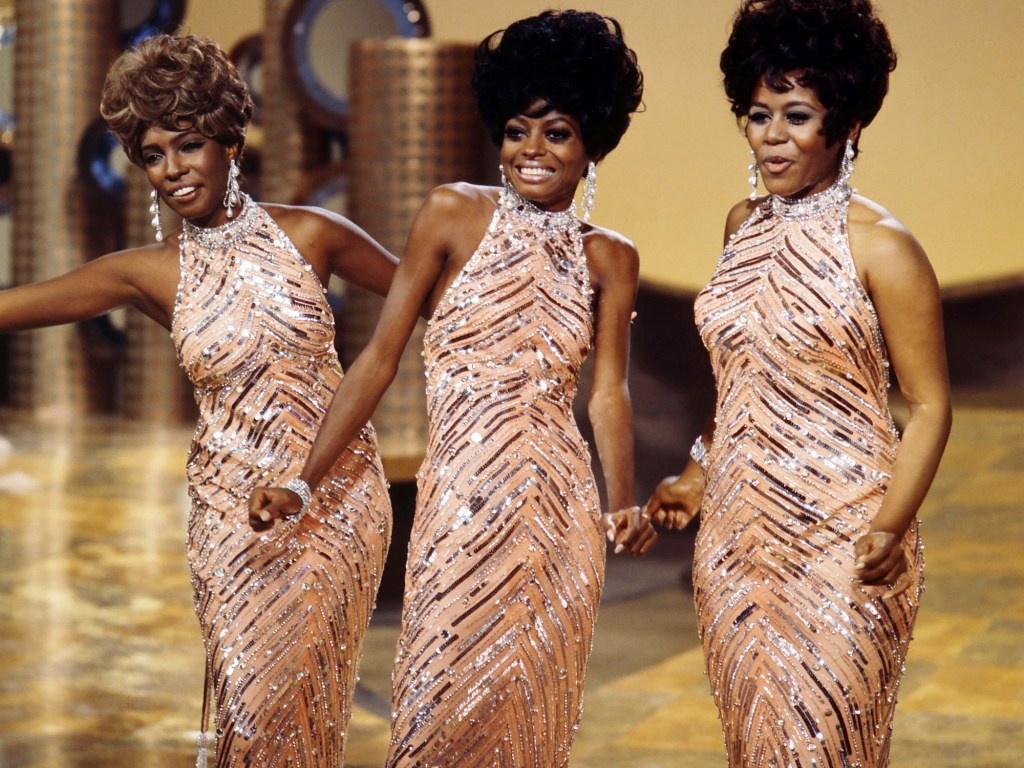
Diana Ross and The Supremes
The group formed as a teenage quartet with Ross, Wilson, Ballard, and McGlown. In 1960, McGlown left to concentrate on her studies and was replaced by Barbara Martin. In 1961, when Martin left to start a family, the Supremes became a trio. In 1967, Ballard was fired from the group and was replaced by Cindy Birdsong. Jean Terrell replaced Ross in 1970. Birdsong was replaced by Lynda Laurence in 1972. Scherrie Payne replaced Terrell and Birdsong returned replacing Laurence in 1973. Birdsong left again in 1976 and was replaced by Susaye Greene. Finally in 1977, they disbanded.
When The Supremes formed, the members took turns singing lead. In 1962, Motown president Berry Gordy made Diana Ross the sole lead singer.
The Supremes had 12 #1 hits in the US and 33 in the Top 40.
Before joining the Supremes, Cindy Birdsong was a member of Patti LaBelle and the Blue Belles.
On January 14, 1970, Diana Ross gave her final performance with the Supremes at the Frontier Hotel in Las Vegas. At the end of the show, she introduced Jean Terrell (discovered and chosen by Berry Gordy) as the new lead singer. In her two autobiographies, Mary Wilson said that the next morning after that concert, Berry Gordy called Mary telling her that he changed his mind and wanted Syreeta Wright to replace Ross. Mary (knowing that it would be stupid to do since the Supremes already began working on a new album with Terrell) strictly refused, and Berry Gordy threatened to wash his hands of the group.
In 1972, Cindy Birdsong left the Supremes because she was expecting a baby; she was replaced by Lynda Laurence. One year later, Laurence left the group for the same reason and was replaced by Birdsong.
In the mid-’60s, all three members had flings with married men in the Motown community: Ross with Smokey Robinson and Berry Gordy; Wilson with Duke Fakir of The Four Tops, Ballard with Otis Williams of The Temptations.
In June 1977, the Supremes gave their farewell performance at the Drury Lane Theatre in London.
Mary Wilson was the mainstay, with the group from beginning to end.
Before they became the Supremes, they were called the Primettes. They formed as a sister group to a male group called the Primes (this group would later be renamed the Temptations). In early 1961, when they signed with Motown, they were told to change their group name because Berry Gordy didn’t like it. Florence Ballard chose the name “Supremes.”
Before signing to Motown, they recorded for a local label called LuPine in 1960.
When Ballard was replaced by Cindy Birdsong in 1967, their group name was changed to “Diana Ross and the Supremes.” When Miss Ross left to go solo in 1970, the group name went back to being “the Supremes.” Sometimes, the Supremes of the seventies are called “the new Supremes.”
On a few of their ’70s songs, Mary Wilson shared the lead vocals with Jean Terrell and later with Scherrie Payne. On their last album, Mary, Scherrie & Susaye, all three members took the lead.
After Florence Ballard was fired from the group in 1967, she attempted a solo career with ABC Records. She recorded an album that was never released and her two 1968 solo singles failed to chart. ABC dropped her just nine months after signing her. Eventually, she became one of rock’s biggest tragedies. She lost her house, her marriage and career crumbled, her health deteriorated because of her weight gain and addictions to alcohol and different medications, and she and her three daughters ended up having to live on welfare. On February 22, 1976, she died of cardiac arrest; she was only 32 years old.
2. The Temps
Kenny Gamble and Leon Huff wrote this song along with Gamble’s manager and songwriting partner Jerry Ross. It was an early hit for Gamble and Huff, who went on to form Philadelphia International records and work on hits like “Back Stabbers” and “Me And Mrs. Jones.” Gamble and Huff re-used the lyrics, “I’m gonna shower you with love and affection, look out, it’s comin’ in your direction” in “Expressway (To Your Heart),” which they wrote for the Soul Survivors earlier in 1967.
For this song, Diana Ross and Eddie Kendricks share the lead vocals, but Otis Williams does the spoken interlude with Ross.
Other artists who have covered this song include Nick DeCaro, the Lettermen, Play and Chris Trousdale, and Clodagh Rodgers.
It’s time for Song Lyric Sunday again! This week Jim Adams has given us the prompt of “Yes or No.” So, I chose KT Tunstall’s Black Horse & the Cherry Tree.
Well my heart knows me better than I know myself So I’m gonna let it do all the talking. I came across a place in the middle of nowhere With a big black horse and a cherry tree.
I felt a little fear upon my back. He said, “Don’t look back, just keep on walking.” When the big black horse said, “Look this way,” Said, “Hey, lady, will you marry me?”
But I said, “No, no, no, no-no-no.” I said, “No, no, you’re not the one for me. No, no, no, no-no-no.” I said, “No, no, you’re not the one for me.”
And my heart hit a problem in the early hours. So, I stopped it dead for a beat or two. But I cut some cord, and I shouldn’t have done it, And it won’t forgive me after all these years.
So, I sent it to a place in the middle of nowhere With a big black horse and a cherry tree. Now it won’t come back ’cause it’s—oh—so happy, And now I’ve got a hole for the world to see.
And it said no, no, no, no-no-no.” Said, “No, no, you’re not the one for me. No, no, no, no-no-no-no.” Said, “No, no, you’re not the one for me.”
Not the one for me.
Said, “No, no, no, no, no, no, no, no. You’re not the one for me. No, no, no, no, no, no, no, no. You’re not the one for me.”
Big black horse and a cherry tree. I can’t quite get there ’cause my heart’s forsaken me. Big black horse and a cherry tree. I can’t quite get there ’cause my heart’s forsaken me.
The Story
According to Wikipedia, “Black Horse and the Cherry Tree” is inspired by old blues, Nashville psycho hillbillies & hazy memories. It tells the story of finding yourself lost on your path, and a choice has to be made. It’s about gambling, fate, listening to your heart, and having the strength to fight the darkness that’s always willing to carry you off.
It is sunng by Scottish singer-songwriter KT Tunstall and featured on her debut album, Eye to the Telescope. It is one of many songs that reuses the famous Bo Diddley beat from the influential 1955 song of his own name. The track was released on 21 February 2005 as the lead single from the album, charting at No. 28 on the UK Singles Chart the same month. The following year, the single became a hit outside Europe, reaching No. 7 in Canada and No. 20 in the United States and New Zealand.
The song is usually performed solo by Tunstall, the original artist, with the layered guitar and vocals constructed piece-by-piece by sampling the parts live, and using a loop pedal unit to create the backing track. A performance of the song on Later… with Jools Holland (recorded before the release of Eye to the Telescope) was an important break in Tunstall’s career. The song won Tunstall an award for Best Single of 2005 in Q, and it received a 2007 Grammy Award nomination for “Best Female Pop Vocal Performance“.[2]
The album version was used as the opening theme song for the CBC Television drama Wild Roses. The song was later redone by Aly & AJ for Pepsi Smash, included on the Japanese only re-release of their second studio album Insomniatic. “Black Horse and the Cherry Tree” was also used in advertisements for The WB show Pepper Dennis and the 2006 US Open. The song’s video ranked No. 19 on VH1‘s 40 Greatest Videos of 2006. During the programme’s airing, Tunstall stated that the day of the video shoot was the only time she had ever worn red lipstick.






 Ergo, the Ogre